

FALL SEMESTER CLASS SCHEDULE September 21 to December 12 2026
Couldn't load pickup availability
FALL SEMESTER CLASS SCHEDULE
September 21 to December 12 2026
Namgyal Zoom Classes: Namgyal will host all fall semester classes by Zoom. Audio recordings of the Zoom session for a class will be available for download during the following week after class.
The cost for Zoom class access is $200. To register for classes, contact office@namgyal.org. Payments can be made by check or online through the Namgyal website. Senior Citizen Discount: A discount of 15% will be granted to seniors (age 65 or older), applicable to full-time tuition or tuition for individual classes.
Buddhist Science and Philosophy: Philosophical Topics: Vol. 4
Parts 1 & 2: The Two Truths and Analysis of Self and Selflessness
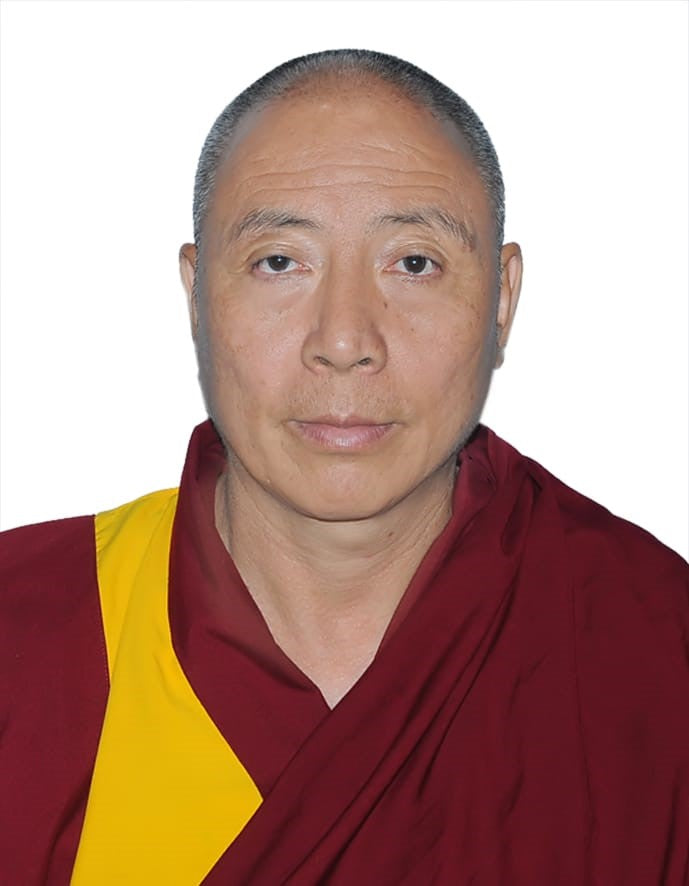
Instructor: Geshe Ngawang Gyatso, translation by Palden Oshoe
Mondays 6:30-7:45
Tuition: $200 twelve-week semester (payable in full or in two $100.00 installments)
For over 25 years, His Holiness the 14th Dalai Lama has engaged in annual Mind-Life Conferences with Western scientist from various disciplines to explore the commonalities and differences in Buddhist and Western views on the nature of reality and the mind. One outcome of these discussions is that His Holiness convened a group of renowned Buddhist scholars (geshe) to compile all the treatises from classical Indian Buddhists texts that provide discourses on Buddhist science and philosophy. The fourth volume in this series provides a compilation and synthesis of teachings on the important Indian Buddhist philosophical topics that serve as the underpinning of Buddhist view and practice. During this semester we will discuss the essential points covered in Part 1 on Two Truths and Part 2 on the Analysis of Self and Selflessness. These two topics are the foundation of a deeper understanding of view of emptiness and practice of great compassion. Geshe-la will explain in depth these two important topics and provide ample time for questions and discussion so that students can better understand these profound teachings. This class provides a unique opportunity for students to gain understanding and have discussion about foundational concepts of the classical Indian Buddhist philosophical views.
Text: Science and Philosophy in the Indian Buddhist Classics Vol. 4: Philosophical Topics
Conceived and Introduced by His Holiness the Dalai Lama, Edited by Thupten Jinpa
LAM RIM (Stages of the Path to Enlightenment): Special Insight
Instructor: Geshe Ngawang Gyatso, translation by Palden Oshoe
Tuesdays 6:30-7:45
Tuition: $200 for twelve-week semester (payable in full or in two $100.00 installments)
In Tibetan Buddhism, “special insight” refers to the steps in the development of the wisdom realizing emptiness. The development of this view requires a deep understanding of how we misperceive reality by grasping at persons and phenomena as having some form of intrinsic existence. It is this grasping at persons and phenomena as independent and self-sufficient that leads us to engage in various behaviors that lead to suffering. By developing special insight into the deeply dependent nature of persons and phenomena, we are able to cultivate the wisdom that realizes the emptiness of their inherent nature. This, in turn, enables us to relinquish our grasping and the suffering that comes with it. Geshe-la will explain in depth how special insight is cultivated and relate this to other aspects of Buddhist practice such as great compassion and bodhichitta. He will also provide ample time for questions and discussion so that students can better understand these profound teachings. This class provides a unique opportunity for students to gain understanding and have discussion about foundational concepts of the classical Indian Buddhist philosophical views.
Text: The Great Treatise on the Stages of the Path to Enlightenment Vol. 3 by Lama Tsongkhapa
Mind Training Text Study: Chapter One of the Guide to the Bodhisattva’s Way of Life: Chapter 3 – Taking Hold of Bodhichitta
Instructor: Geshe Ngawang Gyatso, translation by Palden Oshoe
Wednesdays 6:30-7:45
Tuition: $200 for twelve-week semester (payable in full or in two $100.00 installments)
The Guide to the Bodhisattva’s Way of Life is considered one of the most important texts in Tibetan Buddhism. The verses in the third chapter focus on deepening the mind of awakening, bodhichitta. The opening verses expound on rejoicing in virtue, requesting teachers to teach and to not pass into nirvana, but remain in the world. The following verses provide beautiful aspirations and prayers for living the bodhisattva way of life. Then there are several mind-training practices for maintaining the altruistic mind of bodhichitta in the face of adversity and hardship. The ending verses provide the basis for the bodhisattva vows and the commitment to fully adopting bodhichitta. Geshe-la will explain the significance of each verse in this chapter and how it relates to our daily practice. Geshe-la will also provide time for questions and discussion. For newcomers, this class will provide a strong foundation in these key elements of study and practice within Tibetan Buddhism. And for more experienced students, the teachings will serve to strengthen their commitment to cultivating ever deeper levels of understanding and practice of bodhichitta.
Text: Guide to the Bodhisattva’s Way of Life by Shantideva (there are several translations available)
Introduction to Tibetan Buddhism: Courageous Compassion: Part 1 – How to Live with Compassion
Instructor: Deana Bodnar
Thursdays 6:30-7:45
Tuition: $200 for six weeks
This course will introduce key points and practices in Buddhism. The course will focus on reading and discussion of one of the books in the Library of Wisdom and Compassion series written by His Holiness 14th Dalai Lama and an American Buddhist nun, Thubten Chodron. This semester will go through Volume 6 of this series: Courageous Compassion, Part 1- How to live with compassion. The first half of this volume largely focuses on the cultivation of the six perfections as the means for living a life with compassion. The six perfections are: generosity, ethical discipline, patience, joyful effort, meditative serenity and wisdom. This text provides an excellent overview of these important concepts and practices in Buddhism related to the cultivation of compassion and connects these to modern life.. The goal of the course is to give students a basic framework for understanding different teachings and practices on compassion within Buddhism and to explore how we can integrate them into our daily lives to support our spiritual development. Each class will also provide time for questions and discussion about these topics as well as time for meditation practice.
Recommended Reading: Courageous Compassion – Part 1 by His Holiness the 14th Dalia Lama and Thubten Chodron (Wisdom Publications)
Deana Bodnar has been a student and practitioner of Tibetan Buddhism at Namgyal Monastery for over 20 years. She has previously taught classes on the Neurobiology of Meditation.
 English
 French
 German
 Italian
 Spanish
 Vietnamese